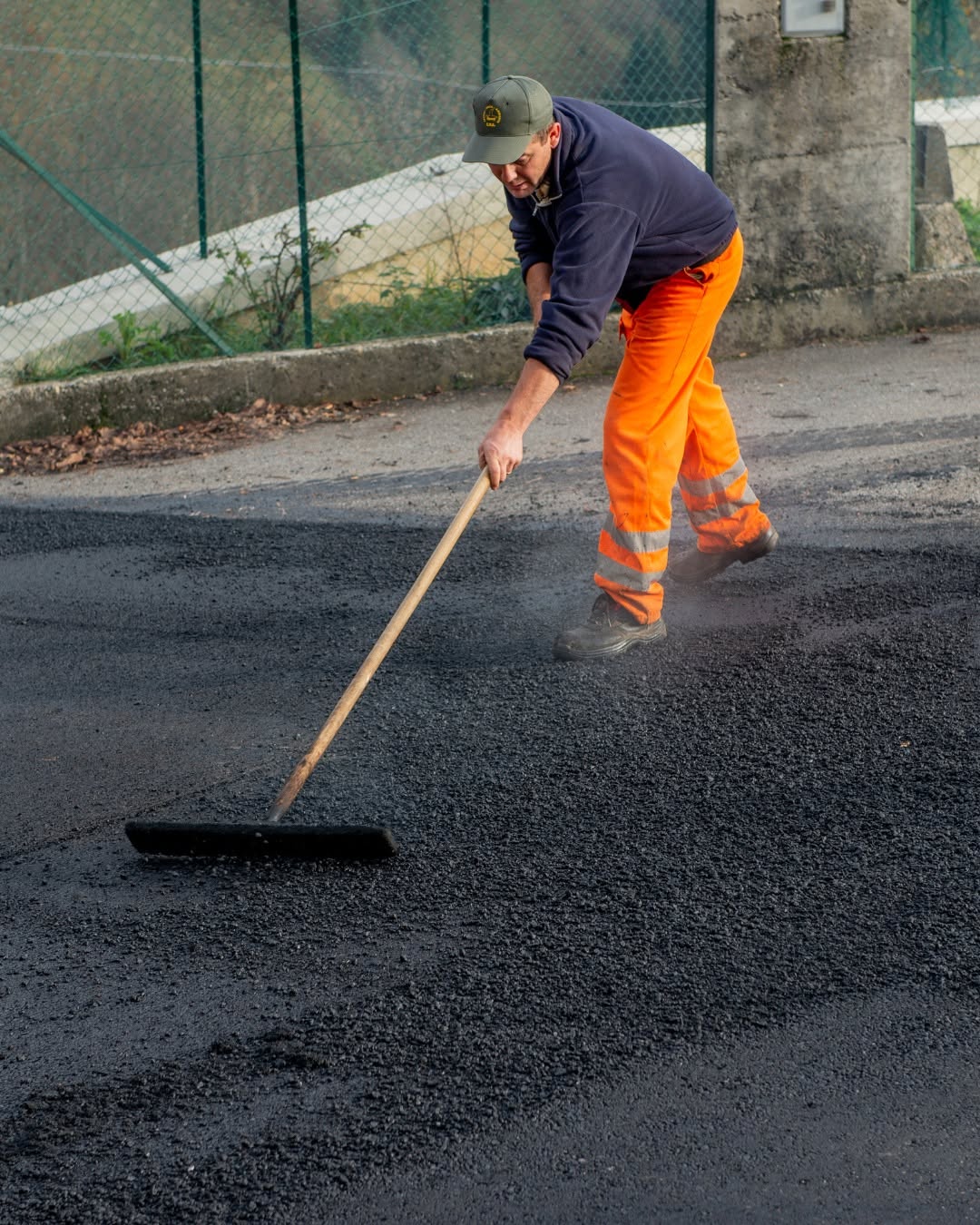
If your asphalt looks dusty, stained, loose, or uneven, sealcoat will not have a clean surface to bond to. Small debris, buildup, and weak spots can keep a fresh coating from laying down evenly, which can leave the pavement looking patchy and wearing out sooner than expected.
That is where careful surface preparation matters. At Double V's Asphalt Seal Coating, we help property owners across Pine Bluff, AR get driveways and parking lots ready for sealcoating, patching, crack filling, and line striping with a clean, even foundation before any material goes down.
Surface preparation is the step that gets asphalt ready for treatment. It is not just sweeping off loose dirt. It is a focused process that helps new material adhere to the pavement and look more even once the work is finished.
When we prepare a surface, we pay attention to what is sitting on top of the asphalt and what is already weak or damaged. That can include dust, sand, loose aggregate, leaves, old buildup, and debris around cracks or patch areas. Clearing those away helps the sealer or repair material make better contact with the pavement.
For property owners, that means the finished surface has a better chance of looking uniform and wearing consistently. It also helps reduce the chance that loose material gets trapped under the coating and affects the finish.
Every paved surface tells a different story. Some are simply dusty from everyday traffic. Others have areas where dirt collects near edges, cracks, or low spots. Good preparation addresses the entire working area, not just the most obvious mess.
Double V's Asphalt Seal Coating uses this step to create a cleaner base before applying commercial-grade sealer or making asphalt repairs. On both residential and commercial properties, this prep work helps set up the rest of the project for a smoother result.
Surface prep is a practical process, and the details matter. We do not rush through it because the condition of the surface affects how the finished work performs.
We look over the area to identify dirt buildup, weak spots, cracks, patch areas, and places that need attention before coating or repair.
We remove loose material and debris so the pavement surface is ready for sealing or repair work.
If crack filling or patching is part of the project, we make sure those areas are free of loose dirt and obstructions.
Before moving ahead, we confirm the surface is ready for the next step so the application can go on evenly.
This process helps keep the finished result looking cleaner and more consistent across the entire area.
Sealcoating works best on a surface that is free of debris and ready to accept the coating. If loose material remains, the sealer can sit unevenly or cling to dirt instead of asphalt. That can affect both appearance and wear.
For homeowners and property managers in Pine Bluff, AR, this is especially important on driveways and parking lots that see regular use. A prepared surface gives the coating a cleaner path across the pavement and helps the finished layer look more uniform.
When Double V's Asphalt Seal Coating handles surface preparation before sealcoating, we are setting up the pavement for a smoother application and a more polished final look.
Crack filling is not just about adding material to a visible opening. The crack has to be cleared first so the filler can make contact with the pavement instead of sitting on top of dirt and loose grit.
A clean crack is easier to fill and easier to seal. When debris stays inside the opening, the filler may not settle the way it should, and the repair can wear faster under traffic and weather exposure.
We prepare crack areas by clearing out loose material around the opening and making sure the space is ready for treatment. That helps create a more complete repair and supports the overall appearance of the surface.
Patching calls for a clean, stable area around the damaged spot. If the surrounding pavement is dusty, dirty, or unstable, the patch may not blend as well with the surrounding asphalt.
Good surface prep helps define the work area and removes the loose material that can get in the way of a patch. That matters on both driveways and parking lots, where the repaired area should look intentional rather than rough and unfinished.
Surface prep also helps reduce the chance that the patch is applied over material that could weaken the bond. That makes the repair more dependable from the start.
Line striping needs a surface that is clean and ready for marking. Dust, dirt, and residue can interfere with how lines appear and how clearly they stand out once applied.
When the pavement is prepared first, striping has a cleaner surface to work with. That helps the markings look sharper and more organized across the lot. For commercial properties, that visual clarity matters because striping guides traffic flow and parking layout.
If striping is part of the project, we make sure the pavement is ready so the markings have the best chance to go on cleanly.
A well-prepared asphalt surface often looks different before the sealer even goes down. It appears cleaner, more uniform, and more ready for work. That is a good sign because the next step will not be fighting loose debris or surface buildup.
Property owners may notice:
Surface prep is one of those steps that is easy to overlook until it is skipped. Once you see the difference, it becomes clear why it matters.
Most surfaces benefit from preparation before sealcoating, patching, or crack filling. The amount of prep depends on how much loose material, debris, and buildup is present.
Yes. Older pavement often has more loose material, dirt, and worn areas that need attention before treatment. Prep helps create a cleaner base for the next step.
It is often helpful. Clean pavement gives striping a better surface to go onto and can improve how the markings look after application.
It helps the sealer contact the asphalt more evenly. That can improve the appearance of the finished surface and reduce issues caused by debris under the coating.
Yes. Clearing loose debris from cracks helps filler reach the right area and gives the repair a cleaner starting point.
Absolutely. We prepare driveways, parking lots, and other paved surfaces for residential and commercial projects across Pine Bluff, AR.
If your pavement is ready for sealcoating, patching, crack filling, or line striping, surface preparation is the step that helps the work start right. Double V's Asphalt Seal Coating serves Pine Bluff, AR and nearby communities with careful prep for residential and commercial asphalt projects.
Reach out at doublevasphalt@gmail.com or call +18703292330 to discuss your surface and the next step for your pavement.
Get Started
Share a few details about your driveway, parking lot, or repair needs, and we will help you understand the right next step for your pavement.